
BLOG
How to Improve Efficiency of Your Scroll Air Compressor System?

News

Contact us
How to Improve Efficiency of Your Scroll Air Compressor System?
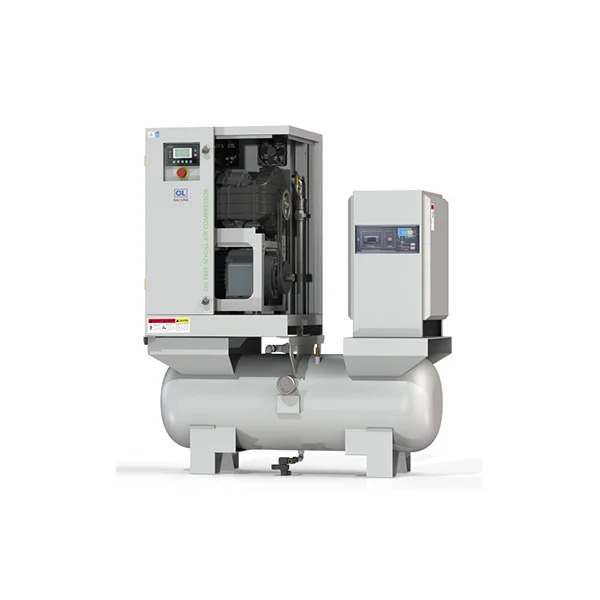
In modern industrial production, compressed air is considered one of the most important energy sources. It powers automation systems, pneumatic tools, packaging equipment, medical devices, and precision manufacturing lines. Among different types of compressors, the scroll air compressor system is widely appreciated for its oil-free air output, low noise operation, compact design, and stable performance.
However, even an advanced scroll air compressor system will gradually lose efficiency if it is not properly maintained or optimized. Inefficient operation leads to higher electricity costs, reduced output, increased wear, and unstable production performance.
This article provides a complete and practical guide on how to improve efficiency of your scroll air compressor system, covering system optimization, maintenance strategies, operational improvements, and long-term energy-saving techniques.
1. Understand What Affects Scroll Air Compressor Efficiency
Before improving efficiency, it is important to understand what determines the performance of a scroll air compressor system.
Efficiency is mainly influenced by:
-
Air intake quality
-
System pressure settings
-
Mechanical condition of scroll components
-
Motor efficiency
-
Air leakage in pipelines
-
Cooling performance
-
Load management strategy
A scroll compressor does not waste energy in unnecessary motion like piston systems, but external factors can still significantly reduce its overall efficiency.
2. Optimize Air Pressure Settings
2.1 Avoid Excessive Pressure
Many users set pressure higher than needed, thinking it improves performance. In reality, it causes:
-
Higher energy consumption
-
Increased mechanical stress
-
Faster component wear
Even a small increase in pressure can significantly increase power usage.
2.2 Match Pressure to Application Requirements
To improve efficiency:
-
Identify actual equipment pressure requirements
-
Set system pressure at the lowest stable level
-
Avoid unnecessary pressure margins
This simple adjustment can improve efficiency by 5–15% in many cases.
3. Maintain Clean Air Intake System
3.1 Importance of Clean Intake Air
Dirty intake air leads to:
-
Reduced airflow
-
Increased internal resistance
-
Higher energy consumption
-
Faster wear of scroll elements
3.2 Maintenance Actions
To optimize intake efficiency:
-
Replace or clean air filters regularly
-
Keep intake area free from dust and debris
-
Avoid placing compressor near pollution sources
-
Inspect intake ducts for blockage
Clean air intake ensures smooth operation of oil-free scroll air compressors and reduces energy loss.
4. Reduce Air Leakage in the System
4.1 Why Air Leakage Matters
Even small leaks can:
-
Waste large amounts of compressed air
-
Force compressor to run longer
-
Increase electricity consumption
-
Reduce system stability
4.2 Common Leakage Points
-
Pipe joints
-
Valves
-
Connectors
-
Flexible hoses
-
Aging seals
4.3 How to Fix It
To improve efficiency:
-
Conduct regular leak detection tests
-
Use ultrasonic leak detectors if possible
-
Replace damaged seals and fittings
-
Tighten all connections
-
Schedule periodic system inspections
Fixing leaks is one of the fastest ways to improve scroll air compressor efficiency.
5. Improve Cooling System Performance
5.1 Why Cooling Matters
When a scroll air compressor system overheats:
-
Motor efficiency decreases
-
Internal resistance increases
-
Energy consumption rises
-
System lifespan is reduced
5.2 Cooling Optimization Methods
To improve cooling efficiency:
-
Clean cooling fins and ventilation channels regularly
-
Ensure sufficient airflow around the unit
-
Check cooling fans for proper operation
-
Avoid installing compressor in enclosed hot spaces
-
Maintain recommended ambient temperature
Proper cooling directly improves long-term energy efficiency.
6. Use Energy-Efficient Motor Technology
6.1 Permanent Magnet (PM) Motors
PM motors offer:
-
Higher energy conversion efficiency
-
Lower heat generation
-
Better performance under variable load
-
Reduced power waste
6.2 Variable Speed Control (VSD)
Some advanced systems adjust motor speed based on air demand.
Benefits include:
-
Lower energy consumption during low load periods
-
Reduced startup energy spikes
-
Improved system flexibility
Upgrading motor technology can significantly improve overall system efficiency.
7. Optimize Load Management Strategy
7.1 Avoid Frequent Start-Stop Cycles
Frequent cycling causes:
-
Energy spikes during startup
-
Increased wear
-
Reduced efficiency
7.2 Match Air Supply with Demand
To improve efficiency:
-
Analyze production air usage patterns
-
Avoid overproduction of compressed air
-
Use storage tanks to balance demand peaks
7.3 Multi-Compressor Optimization
In larger factories:
-
Use multiple compressors instead of one oversized unit
-
Rotate operation between units
-
Match compressor size to demand zones
This improves overall system efficiency and reliability.
8. Maintain Proper Lubrication and Mechanical Condition
8.1 Importance of Mechanical Health
Wear in internal components can lead to:
-
Increased friction
-
Reduced compression efficiency
-
Higher energy consumption
8.2 Maintenance Practices
To maintain efficiency:
-
Inspect bearings regularly
-
Check scroll element condition
-
Replace worn components promptly
-
Follow manufacturer maintenance schedules
Well-maintained mechanical systems ensure stable performance.
9. Optimize Air Drying and Filtration Systems
9.1 Air Dryer Efficiency
A poorly performing dryer can:
-
Increase system load
-
Reduce airflow efficiency
-
Cause pressure instability
9.2 Filter Maintenance
Dirty filters cause:
-
Airflow restriction
-
Higher energy usage
-
Reduced compressor output
9.3 Optimization Tips
-
Replace filters on schedule
-
Inspect dryer performance regularly
-
Ensure correct sizing of filtration system
-
Avoid unnecessary pressure drop across filters
10. Improve System Layout and Installation
10.1 Short and Efficient Air Pipelines
Long or poorly designed pipelines cause:
-
Pressure loss
-
Energy waste
-
Reduced system performance
10.2 Avoid Poor Ventilation Areas
Installing a scroll air compressor system in confined spaces leads to:
-
Overheating
-
Reduced efficiency
-
Shortened equipment lifespan
10.3 Optimize Equipment Placement
Best practices include:
-
Centralized air distribution
-
Minimal pipe bends
-
Easy maintenance access
11. Implement Smart Monitoring Systems
11.1 Real-Time Data Tracking
Smart systems can monitor:
-
Pressure levels
-
Temperature
-
Energy consumption
-
System load
11.2 Predictive Maintenance
Instead of reactive repairs, predictive systems:
-
Detect early signs of failure
-
Schedule maintenance in advance
-
Prevent efficiency loss
This helps maintain consistent performance in industrial scroll air compressors.
12. Regular Preventive Maintenance Strategy
Preventive maintenance is essential for long-term efficiency.
Key actions include:
-
Filter replacement
-
Cooling system cleaning
-
Electrical inspection
-
Leak detection
-
Sensor calibration
-
Performance testing
A well-maintained system can maintain near-original efficiency for many years.
Conclusion
Improving the efficiency of a scroll air compressor system is not achieved through a single action, but through a combination of proper operation, regular maintenance, system optimization, and smart energy management.
Key strategies include:
-
Optimizing pressure settings
-
Reducing air leakage
-
Improving cooling performance
-
Maintaining clean intake air
-
Using energy-efficient motor systems
-
Implementing smart monitoring
By applying these methods, industries can significantly reduce energy costs, improve system reliability, and extend the lifespan of their oil-free scroll air compressors.
In today’s competitive industrial environment, improving compressor efficiency is not just a technical upgrade—it is a long-term investment in productivity and sustainability.


