
BLOG
Common Problems in Scroll Air Compressors and How to Fix Them

News

Contact us
Common Problems in Scroll Air Compressors and How to Fix Them
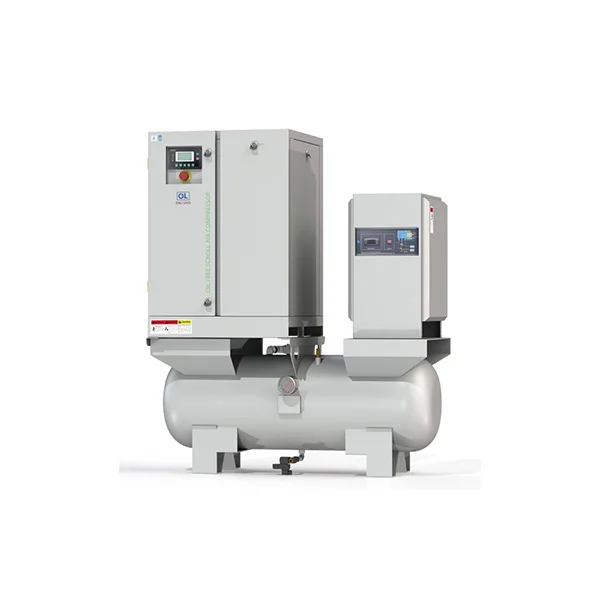
Scroll air compressors have become an essential part of modern industrial compressed air systems due to their oil-free operation, low noise performance, energy efficiency, and compact design. They are widely used in industries such as medical equipment, electronics manufacturing, laboratories, food processing, and precision automation.
Although scroll air compressor systems are known for their reliability and long service life, they are still industrial machines that operate under continuous load. Over time, various performance issues may occur due to maintenance neglect, environmental factors, or improper usage.
Understanding the common problems in scroll air compressors and how to fix them is critical for ensuring stable performance, reducing downtime, and maximizing equipment lifespan.
1. How Scroll Air Compressors Work
To effectively diagnose problems, it is important to understand the working principle of scroll air compressors.
A typical scroll compressor consists of:
-
A fixed scroll element
-
An orbiting scroll element
-
A drive motor system
-
Intake and discharge channels
Air is trapped between the two spiral scrolls and gradually compressed as the orbiting scroll moves in a circular motion.
Compared with piston or screw compressors, scroll air compressor systems provide:
-
Continuous airflow without pulsation
-
Lower vibration levels
-
Higher air purity in oil-free designs
This smooth operation also reduces mechanical wear, but does not eliminate the need for maintenance.
2. Reduced Air Output in Scroll Air Compressors
Symptoms
-
Lower air pressure than normal
-
Reduced performance of pneumatic tools
-
Insufficient airflow in production systems
Causes
This is one of the most common issues in scroll air compressor systems, often caused by:
-
Clogged intake filters
-
Air leakage in pipelines
-
Worn scroll sealing surfaces
-
Blocked air passages
-
Incorrect pressure regulation
Solutions
To fix reduced output in industrial scroll air compressors, you should:
-
Replace or clean air filters regularly
-
Inspect intake and discharge systems for blockage
-
Check piping connections for air leaks
-
Verify pressure control settings
-
Inspect scroll components for wear if performance does not improve
Proper maintenance ensures stable operation of oil-free scroll air compressors in industrial environments.
3. Excessive Noise or Vibration
Symptoms
Although a low noise scroll air compressor is naturally quiet, abnormal noise may include:
-
Grinding sounds
-
Increased vibration
-
Irregular operational sound patterns
Causes
Possible reasons include:
-
Motor bearing wear
-
Loose mechanical mounting
-
Foreign particles inside the system
-
Imbalanced orbiting scroll
-
Poor installation foundation
Solutions
To restore normal performance:
-
Tighten all mechanical fasteners
-
Inspect and replace motor bearings if needed
-
Clean internal components of scroll compressor systems
-
Ensure proper installation on a stable surface
-
Schedule professional inspection for internal scroll damage
Maintaining structural stability is essential for low noise scroll air compressor systems.
4. Overheating Issues in Scroll Air Compressors
Symptoms
-
High operating temperature
-
Automatic shutdowns
-
Reduced efficiency
-
Hot discharge air
Causes
Overheating in energy efficient scroll air compressors may result from:
-
Poor ventilation
-
Dirty cooling components
-
Continuous overload operation
-
High ambient temperature
-
Faulty cooling fan system
Solutions
To resolve overheating:
-
Improve airflow around the compressor
-
Clean cooling fins and ventilation channels
-
Check and replace faulty cooling fans
-
Reduce operating load
-
Install the compressor in a temperature-controlled environment
Proper cooling is essential for maintaining long-term performance of scroll air compressor systems.
5. Frequent Shutdowns of Scroll Air Compressor Systems
Symptoms
-
Unexpected shutdowns
-
Repeated restart cycles
-
Control panel alarms
Causes
In modern industrial scroll air compressors, shutdowns are often caused by:
-
Electrical instability
-
Sensor malfunction
-
Overload protection activation
-
Control system errors
-
Voltage fluctuations
Solutions
To fix this issue:
-
Stabilize power supply
-
Reset and recalibrate control systems
-
Replace faulty sensors
-
Verify load conditions
-
Consult technical support if the issue persists
Stable operation is critical in scroll air compressor for industrial use applications.
6. Low Energy Efficiency in Scroll Air Compressors
Symptoms
-
Increased electricity consumption
-
Reduced output efficiency
-
Higher operating costs
Causes
Even energy efficient scroll air compressor systems can lose efficiency due to:
-
Dirty air filters
-
Internal wear and friction
-
Air leakage in system pipelines
-
Poor system configuration
-
Aging motor performance
Solutions
To improve efficiency:
-
Replace filters regularly
-
Repair air leaks in the system
-
Optimize pressure settings
-
Maintain internal components
-
Upgrade to PM motor-based scroll air compressors if needed
Energy efficiency is one of the main advantages of modern scroll compressor technology, but only if properly maintained.
7. Moisture Problems in Scroll Air Compressor Systems
Symptoms
-
Water in air lines
-
Corrosion in downstream equipment
-
Reduced product quality
Causes
Moisture issues often occur in oil-free scroll air compressors due to:
-
Malfunctioning air dryer
-
High humidity intake air
-
Poor drainage system
-
Overloaded drying capacity
Solutions
To fix moisture issues:
-
Inspect and maintain air dryer system
-
Drain moisture regularly
-
Improve intake air quality
-
Upgrade drying capacity if required
This is especially important for scroll air compressor for laboratory and medical use applications.
8. Pressure Instability in Scroll Air Compressors
Symptoms
-
Fluctuating pressure levels
-
Inconsistent pneumatic tool performance
-
Unstable production output
Causes
Pressure instability in scroll air compressor systems may be caused by:
-
Air leakage
-
Faulty pressure sensors
-
Control system malfunction
-
Insufficient air storage capacity
Solutions
To stabilize pressure:
-
Seal all leaks in air pipelines
-
Replace defective sensors
-
Adjust system control parameters
-
Increase air receiver capacity
Stable pressure is essential for industrial scroll air compressor performance.
9. Preventive Maintenance for Scroll Air Compressors
Preventive maintenance is the most effective way to reduce failures in scroll air compressors.
Key practices include:
-
Regular filter replacement
-
Cooling system cleaning
-
Electrical connection inspection
-
Air leakage checks
-
Monitoring temperature and pressure levels
A well-maintained scroll air compressor system ensures:
-
Longer service life
-
Lower operating costs
-
Stable industrial performance
10. When to Call Professional Service
Professional maintenance is required when:
-
Internal scroll damage is suspected
-
Continuous overheating occurs
-
Electrical faults cannot be diagnosed
-
Severe performance degradation is observed
Attempting complex repairs without expertise may damage scroll compressor components further.
Conclusion
Scroll air compressors are widely used in modern industry due to their efficiency, oil-free operation, and low noise performance. However, like all industrial equipment, they can experience operational problems over time.
The most common issues include reduced air output, overheating, noise anomalies, pressure instability, moisture problems, and energy inefficiency. Most of these can be resolved through proper maintenance and timely inspection.
By understanding these common problems in scroll air compressors and how to fix them, operators can significantly improve system reliability, reduce downtime, and extend equipment lifespan—ensuring stable performance in demanding industrial environments.


